Looking for a diabetologist in Arifwala? Shan Medicare Hospital, near Noor Mahal on Qaboola Road, offers complete diabetes care under the supervision of Dr. Muhammad Ilyas. From a first blood sugar test to diet advice, medicines and regular follow-up, you get diabetes treatment in Arifwala without travelling to a big city. Our hospital has a laboratory, pharmacy and 24-hour emergency service, so tests, treatment and urgent help are all in one place. Call 0326-7661666 to book your appointment

A diabetologist is a doctor who diagnoses diabetes and manages it over the long term. Book a visit if you notice any of these:
Early checks protect your eyes, kidneys, nerves and heart, so do not wait for symptoms to get worse

Our diabetes specialist in Arifwala helps patients with type 1, type 2 and gestational diabetes, and with pre-diabetes
We conduct blood sugar, checks and lab tests
Medicines or insulin from your diabetes doctor in Arifwala, adjusted to your readings and daily routine.
Simple meal and activity guidance that fits local food habits.
Blood pressure, kidney tests, ECG and foot checks for long-standing diabetes.
Urgent help 24 hours a day for dangerously high or low sugar
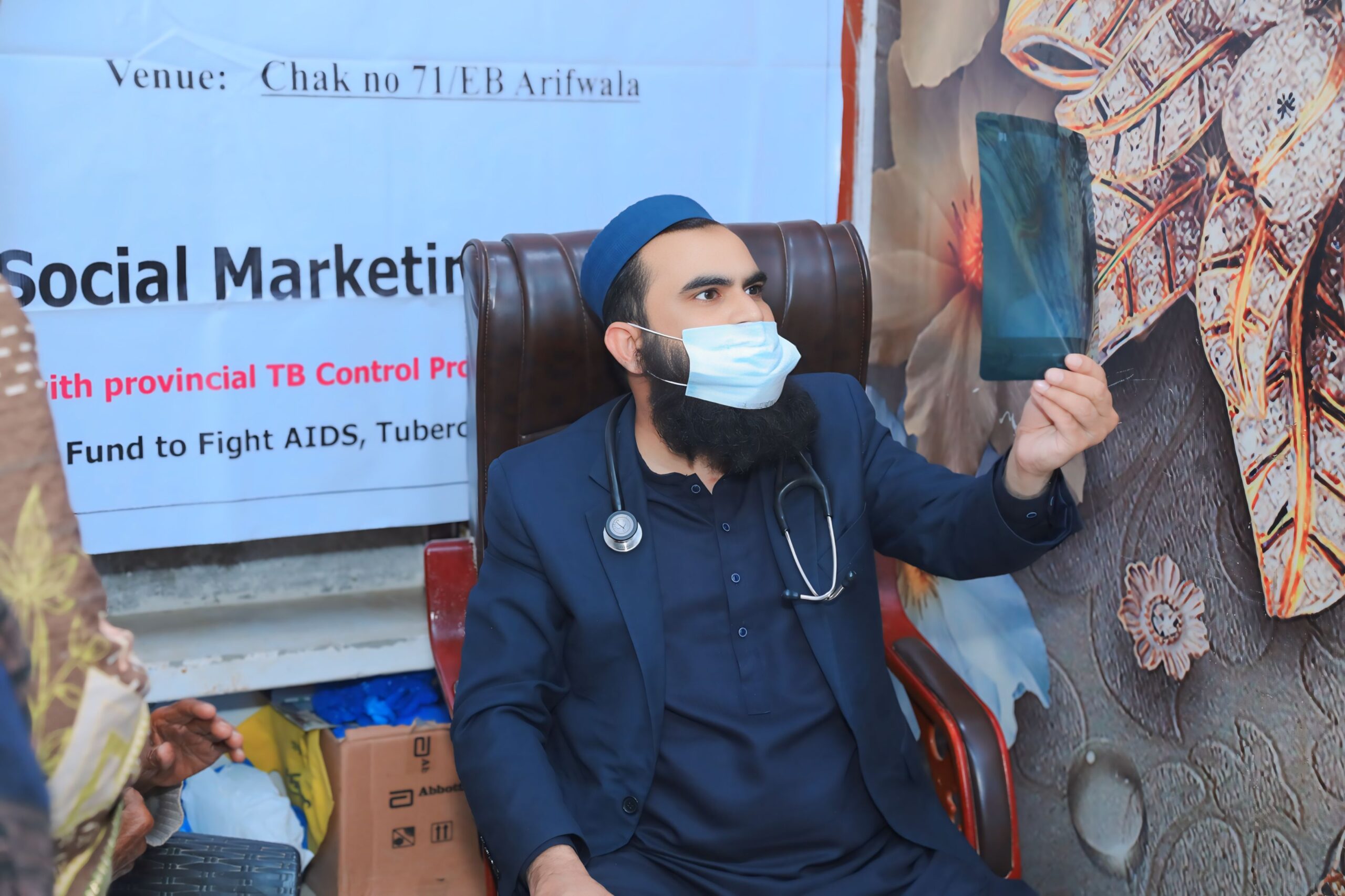
When looking for a Sugar specialist in Arifwala, “or diabetologist in Arifwala,” you want someone reliable, experienced, and caring. Here’s why we stand out:
Here are some common kidney issues and problems we treat
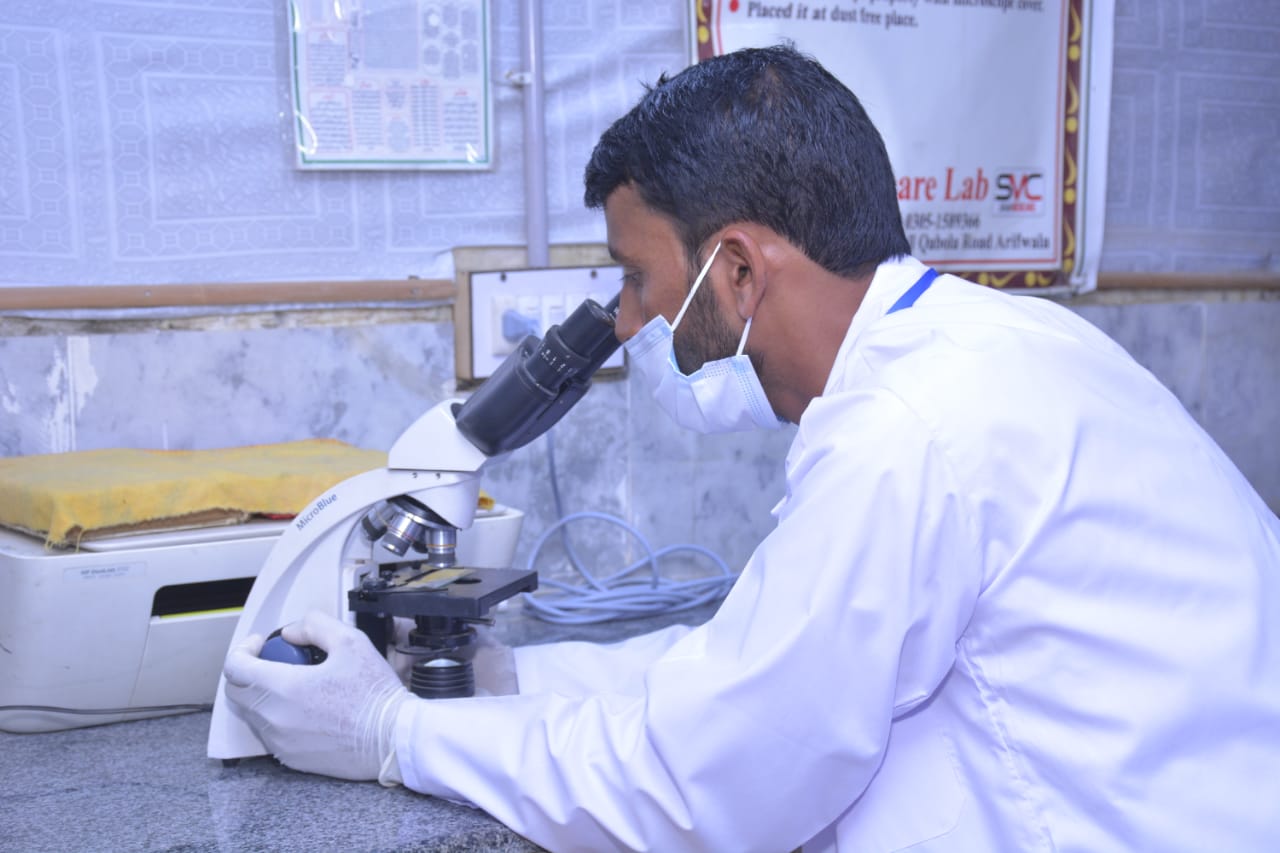
We value the feedback we receive from our patients. Your thoughts and experiences are vital in helping us continually improve our healthcare services. We encourage you to share your feedback with us, as it plays a crucial role in shaping the quality of care we provide.

At Shan Medicare Hospital, Arifwala, we believe that prevention is a powerful tool. Here are some simple tips to protect your kidneys:
Don’t wait until kidney problems become severe. For trusted care from the top Arifwala kidney specialist and nephrologist, contact Shan Medicare Hospital Arifwala today. Call now to book your appointment and take control of your kidney health.
What does a kidney specialist (nephrologist) do?
A nephrologist is a doctor who specializes in diagnosing and treating kidney diseases. They order blood/urine tests, find what’s wrong, give medicines, and plan care for long-term kidney problems.
How is kidney disease diagnosed?
Doctors use blood tests (such as creatinine/eGFR), urine tests, and sometimes an ultrasound or other imaging scans to assess how well your kidneys function.
What tests should I expect at my first visit?
Expect a blood test and a urine test. Your doctor may also ask about your medications and past illnesses. These tests tell the doctor if the kidneys are healthy.
What are the early signs of kidney problems?
Early signs can include tiredness, swollen ankles, changes in urine (color or volume), or trouble concentrating. Often, there are no signs, so tests are crucial.
When should I see a nephrologist/kidney specialist?
See a kidney specialist if tests are abnormal, you have rising creatinine, lots of protein or blood in urine, a family history, or if you have diabetes/high blood pressure that is hard to control.
What is the difference between a nephrologist and a urologist?
A nephrologist treats conditions affecting how the kidneys function (medical care). A urologist treats the urinary tubes and may do surgery (like removing big stones). Both can work together.
Do you treat kidney stones? What are common treatments?
Many small stones pass with water and pain control. Bigger or stuck stones may need procedures or surgery (doctors choose based on size and symptoms).
What is dialysis, and when is it needed?
Dialysis is a treatment that cleans blood when the kidneys fail. It’s necessary when the kidneys can no longer remove waste effectively (your doctor will explain the timing and options).
Can kidney disease be prevented?
Yes — control blood sugar, keep blood pressure in range, eat healthy, stay active, avoid smoking, and get regular tests if you’re at risk. Early care helps a lot.
What foods should I eat or avoid if I have CKD?
A balanced diet with fruits, vegetables, and less salt is recommended, but specific limits (potassium, phosphorus, protein) depend on your stage. A kidney dietitian can make a plan for you.
Are common painkillers (NSAIDs) bad for the kidneys?
Overusing NSAIDs (like ibuprofen) can harm kidneys, mainly if used often, in high doses, or when you are dehydrated or already at risk. Use them carefully and ask your doctor.
How often should I get kidney tests?
Frequency depends on your risk and the stage of your kidney disease. People with diabetes or high blood pressure usually get checked yearly; patients with CKD get tested at the intervals their doctor sets.
Can women with kidney disease have babies?
Many women with mild to moderate kidney disease can have children, but pregnancy may need special care and close monitoring by kidney and pregnancy doctors.
What are emergency signs that need immediate care?
Seek urgent help for very short breath, chest pain, sudden swelling, very low urine output, severe confusion, or heavy bleeding in urine — these can be signs of serious trouble.
How can I prepare for my nephrology appointment?
Bring a list of medicines, past lab reports, any imaging you have, and write down symptoms and questions. This helps the doctor make the best plan quickly.
WhatsApp us